Starting or expanding a small business requires careful planning. Finding and securing the right space is critical to the planning process. Understanding the nuances of commercial real estate is essential for making informed choices.
While the process may seem daunting, it becomes manageable with the right knowledge. This guide walks you through the commercial real estate basics, offering practical tips for small business owners looking to secure the right space.
Understanding Commercial Real Estate Basics
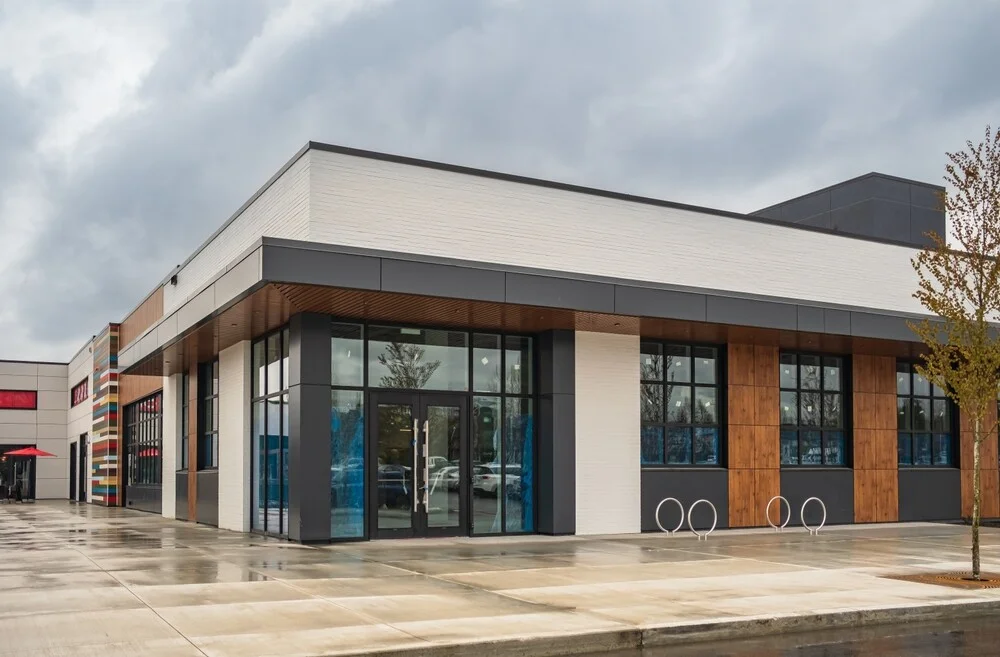
When entering the world of commercial real estate, it’s crucial to understand the various types of properties available and how they align with your business needs. The most common types include:
- Office spaces – Ideal for professional services and administrative work.
- Retail spaces – Best for businesses that thrive on foot traffic and storefront visibility.
- Industrial properties – Suitable for manufacturing, warehousing, or logistics operations.
- Mixed-use buildings – Versatile spaces that combine residential, retail, and office environments.
Each property type offers unique benefits depending on the nature of your business. For instance, a retail store may require a location with high foot traffic and visibility, whereas a tech startup might prioritize a quiet, professional office space. Identifying the type of property that best supports your specific business operations is a fundamental first step.
Know Your Budget
A key principle of commercial real estate is understanding your financial boundaries. It’s easy to be tempted by a large or aesthetically pleasing space, but being realistic about your budget is critical. Beyond monthly rent, account for additional costs such as:
- Utilities
- Property maintenance fees
- Insurance
- Security deposits
Before searching for properties, create a clear budget that includes short-term and long-term expenses. If needed, consult a commercial real estate broker or financial advisor to help you determine a budget that works for your business.
Choosing the Right Location
The phrase “location, location, location” is repeated so often for a reason—it’s one of the most important factors in commercial real estate. A great location can attract customers, streamline operations, and foster growth, while a poor location can hinder your success.
When evaluating potential locations, consider factors like foot traffic, local competition, and proximity to key suppliers or partners. The area’s demographics and appeal to your target market should also be considered. For some businesses, a bustling downtown area may be ideal, while others may thrive in quieter suburban or industrial zones. Carefully weigh the pros and cons of each location against your business goals.
Lease Terms and Negotiations
One of the most important commercial real estate basics is understanding lease agreements. Lease agreements can vary significantly depending on the property type and landlord. Terms like lease duration and renewal options, rent increases, maintenance responsibilities, and termination clauses should be carefully reviewed before signing.
Consider hiring a professional, such as a real estate attorney or broker, to help you navigate lease negotiations. A skilled negotiator can often secure favorable terms that offer flexibility for growth or downsizing. Tailoring the lease to meet your business’s needs ensures long-term stability and minimizes potential risks.
Understanding Common Area Maintenance (CAM) Fees
Understanding Common Area Maintenance (CAM) fees is another commercial real estate basic business owners need to know. Many properties come with CAM fees, which cover shared space upkeep, such as hallways, parking lots, and landscaping. These fees vary widely and can include costs for:
- Cleaning services
- Security
- Repairs
- Utilities in shared areas
Some CAM fees are predictable, such as cleaning or security costs, while others, like repairs or landscaping, may fluctuate. Make sure that you understand what’s included in the CAM fees before signing a lease. Being aware of these additional costs upfront helps avoid budgetary surprises later on.
Determining Space Requirements
Knowing how much space your business needs is another critical consideration. Assess your current and future requirements, factoring in:
- Square footage
- Layout
- Storage needs
- Room for potential growth
For example, a retail store may need a combination of customer-facing areas and backroom storage, while an office might require dedicated meeting rooms or collaborative spaces. A well-designed layout can significantly enhance operational efficiency and contribute to your business’s success.
Work with Professionals
Navigating commercial real estate can be challenging, especially for first-time business owners. Working with experienced professionals, such as a commercial real estate broker or property manager, can provide valuable guidance. These professionals have access to properties that may not be publicly listed, and their expertise can help you negotiate better terms.
For example, the PM Company specializes in property management and realty services, helping clients secure ideal spaces for their businesses. Their tailored solutions and property management expertise allow business owners to focus on growing their operations without worrying about property-related concerns.
Finalizing the Deal
Once you’ve selected a location and agreed on lease terms, the final step is signing the lease. Before signing, have the lease reviewed by your attorney or broker to ensure there are no hidden clauses or unexpected costs. Once everything is finalized, you can begin setting up your business in the new space.
Contact PM Company Today
Navigating commercial real estate doesn’t have to be overwhelming. Partnering with the right professionals and adhering to the commercial real estate basics will help you find the ideal space to foster your business’s growth and success.
If you’re ready to take the next step in your commercial real estate journey, contact the PM Company today to ensure you find the perfect space for your business.
